Employee Wellness Revolution: The Critical Link Between Office Cleanliness and Mental Health
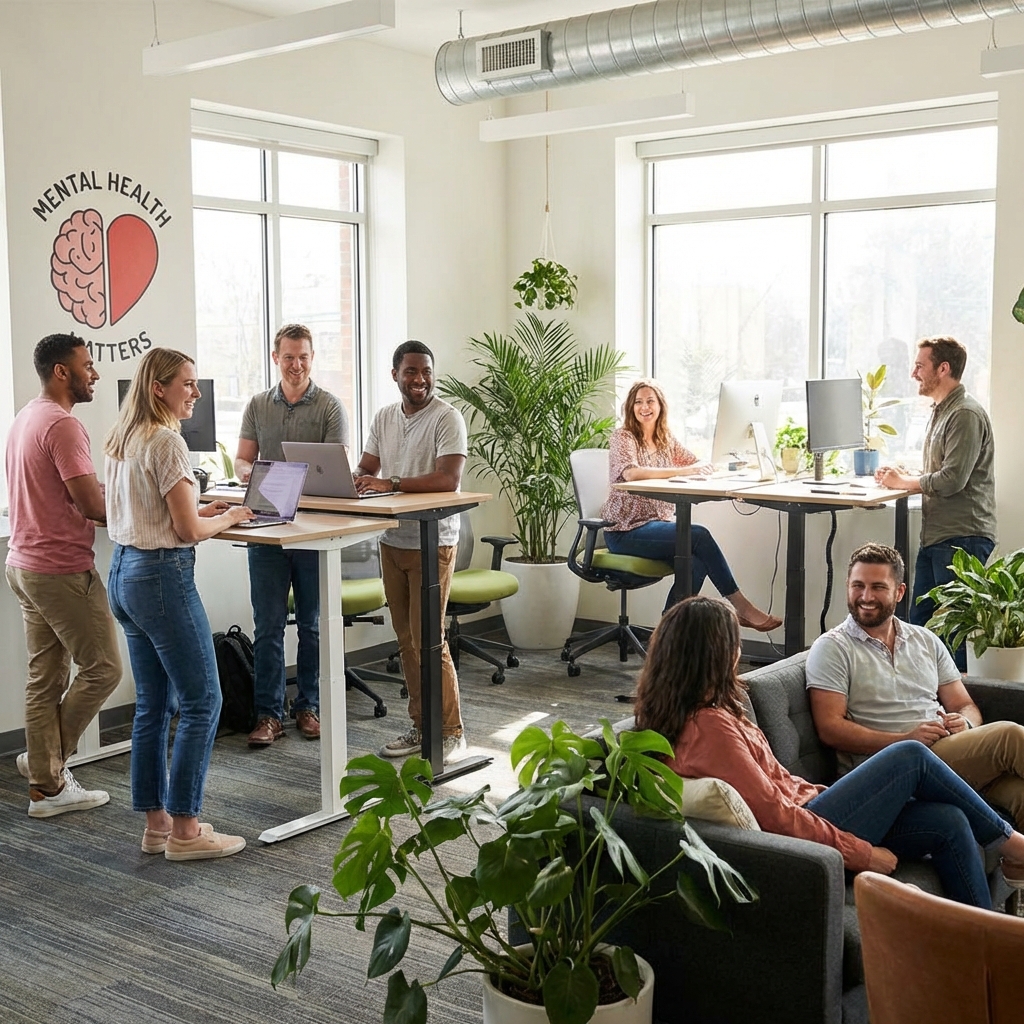
When we discuss commercial cleaning, the conversation typically revolves around physical health: removing germs, preventing viruses, and reducing allergens. But in 2026, as companies strive to support holistic employee wellness, a new perspective is emerging. The state of your physical workplace has a profound, measurable impact on the mental health, cognitive performance, and emotional well-being of your team.
A cluttered, dirty, or neglected office isn't just an eyesore; it's a source of subconscious stress. Conversely, a bright, fresh, and organized environment acts as a catalyst for focus and calm.
The Psychology of Clutter and Grime
Our brains are wired to seek order. When an environment is visually chaotic—overflowing trash bins, stained carpets, dusty surfaces—it overloads our visual cortex. This phenomenon, known as "cognitive overload," drains mental energy that should be dedicated to work tasks.
Research from the Princeton University Neuroscience Institute shows that physical clutter competes for your attention, resulting in decreased performance and increased stress. In an office setting, "clutter" includes environmental neglect. A smudge on the glass conference door or a coffee ring on a desk sends a subtle signal of disorder that can spike cortisol (stress hormone) levels.
Indoor Air Quality: The Invisible Mood Killer
You can't see it, but you can feel it. Poor Indoor Air Quality (IAQ) is a leading cause of "Sick Building Syndrome," which creates physical symptoms like headaches, fatigue, and eye irritation. But the mental effects are just as damaging. Stale, dust-laden air causes lethargy and "brain fog," making it difficult for employees to concentrate or feel motivated.
The Solution: Rigorous high-dusting and HEPA filtration vacuuming. By removing particulate matter, pollen, and dust from the air, you are literally helping your employees breathe easier and think clearer. A fresh-smelling office (neutral, not masked with heavy perfumes) signals safety and care.
Morale, Value, and Retention
Employees interpret the state of their workplace as a direct reflection of how much their employer values them. Asking a professional to work in a dingy environment is a silent form of disrespect.
When an employee walks into a sparkling lobby, sees polished floors, and uses a pristine restroom, they feel valued and respected. This "pride of place" translates into higher engagement, better retention rates, and a more positive company culture. It shows that management pays attention to details—a trait that employees are then inspired to emulate in their own work.
The Biophilic Connection: Cleaning for Life
Biophilic design—incorporating nature into the workplace—is a massive trend for wellness. But you can't have nature without cleanliness.
Dusty plants look neglected and sad. Dirty windows block the view of the outdoors. To truly reap the benefits of biophilia (reduced stress, improved creativity), the "nature" elements must be maintained.
Our wellness cleaning protocols include specific care for plant leaves (dust removal allows them to photosynthesize better and filter your air more effectively) and prioritizing window cleanliness to maximize that vital connection to the outside world.
Scent and Cognitive Performance
Smell acts directly on the limbic system, the part of the brain controlling emotion and memory. While we advise against heavy artificial fragrances (which can trigger allergies), the absence of malodors is critical.
Bad smells—mildew, stale trash, dirty drains—trigger a "disgust response" that is highly distracting. It forces the brain to constantly monitor the environment for threats rather than focusing on work.
We use enzymatic cleaners that destroy odor-causing bacteria at the molecular level, leaving a "neutral fresh" scent. This olfactory neutrality allows the brain to relax and enter flow states more easily.
Creating a Wellness-First Cleaning Strategy
To leverage cleaning for mental health, consider these focus areas:
- Maximize Natural Light: Clean windows allow more sunlight in. Natural light is the #1 booster of office mood and helps regulate circadian rhythms.
- Declutter Common Areas: Ensure kitchenettes and break rooms are cleaned frequently throughout the day so they remain relaxing sanctuaries, not stress zones.
- Visible Cleaning: Seeing a Day Porter actively cleaning can play a reassuring role, making employees feel protected and cared for.
Your office environment is the stage upon which your business success is built. Make sure it supports the actors. Invest in your team's mental health by investing in their physical space. Get a quote for our comprehensive, wellness-focused cleaning services today.