How a Clean Storefront Boosts Foot Traffic & Sales: The Retail Success Secret
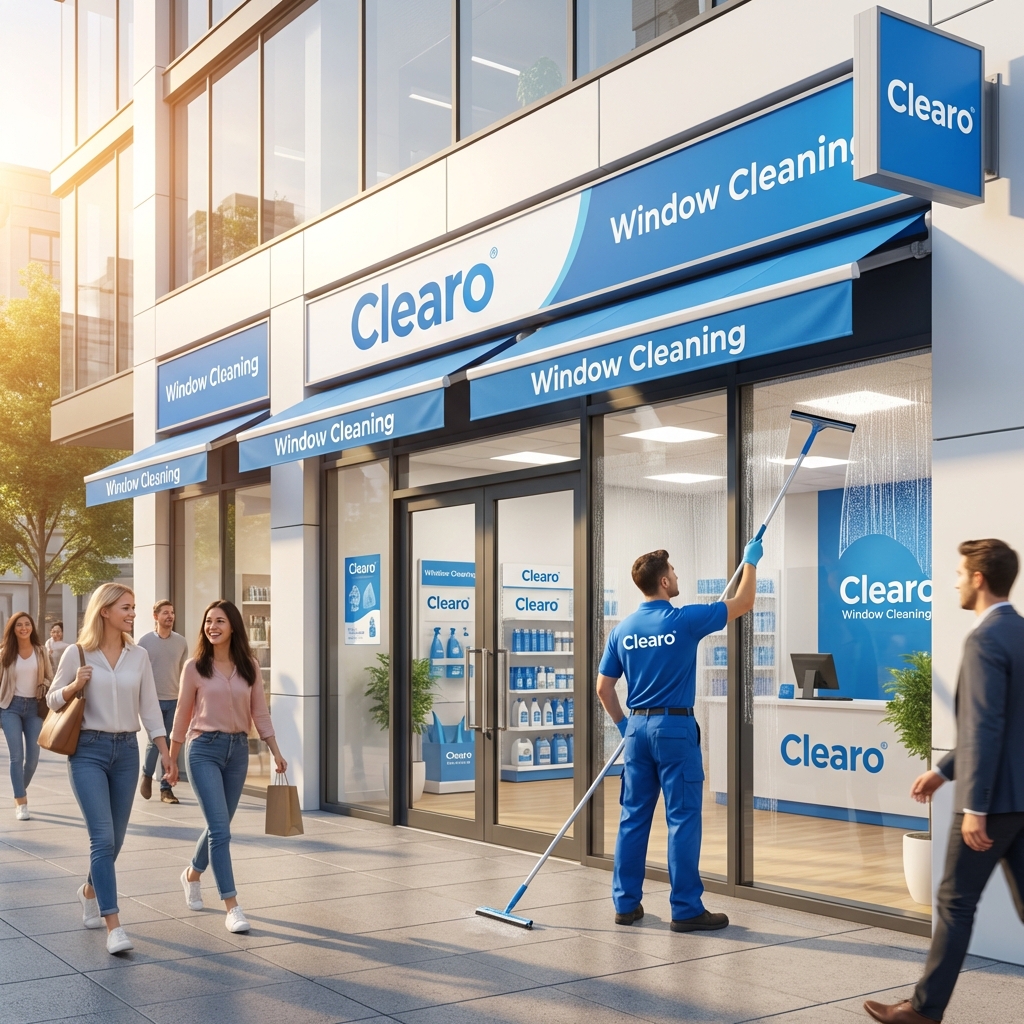
In the fiercely competitive landscape of Toronto's retail and service sectors, attracting customers through the door is the first—and arguably most critical—battle. While marketing campaigns, social media ads, and sales promotions are designed to drive traffic, your physical environment acts as the final gatekeeper. Specifically, the cleanliness of your storefront and interior determines whether a passerby becomes a browser, and whether a browser becomes a buyer.
The Psychology of Store Cleanliness
Consumer behavior studies consistently show a direct correlation between perceived cleanliness and purchasing intent. A survey by ServiceChannel revealed that 95% of shoppers consider exterior appearance an important factor when deciding where to shop, and more shockingly, 52% have avoided a business simply because the storefront looked dirty.
Why is this reaction so strong? It boils down to trust. A neglected physical space signals to the subconscious mind that the business may also neglect its products, its service, and its customers. Conversely, a pristine environment creates a "halo effect," where customers assume that high standards in cleanliness equate to high standards in quality and care.
The "Silent Salesperson": Your Storefront's Impact
Your storefront—comprising your windows, signage, sidewalk, and entrance matting—is your 24/7 salesperson. It speaks to customers before you ever get a chance to say "hello." It frames the customer's expectation of price, quality, and service.
1. Crystal Clear Windows: Removing Barriers
Dirty, streaked, or fingerprinted windows create a visual barrier between the shopper and your merchandise. They suggest a lack of attention to detail. Professional, streak-free window cleaning removes this barrier, inviting potential customers to look inside. It transforms your window display from a muted image to a vibrant invitation.
Consider the "Touch Test": If a customer hesitates to push your door open because the handle is grimy, that micro-moment of disgust sets a negative tone for their entire visit.
2. The Threshold Effect: Entrance Mats and Floors
The first step into your store sets the tone. Salt-stained, frayed, or debris-filled entrance mats are an immediate turn-off. Inside, your floors guide the customer journey. Scuffed, dull, or sticky floors subconsciously encourage customers to leave quickly.
Polished, clean floors encourage browsing and "dwell time"—a key metric in retail sales. The longer a customer feels comfortable staying in your store, the more likely they are to make a purchase. High-gloss polished concrete or pristine VCT reflects light, making the store feel brighter, larger, and more upscale.
The Subconscious Power of Scent and Cleanliness
Cleanliness isn't just visual; it's olfactory. "Scent Marketing" is a billion-dollar industry, but the best scent a store can have is simply "clean."
A musty odor from old carpets, the smell of stale trash, or the sharp sting of cheap bleach are all "repellents." They trigger a primal avoidance response.
Conversely, professional cleaning uses neutral-scented or subtle enzymatic cleaners that neutralize odors at the source (like bacteria). A space that smells fresh signals safety. In the post-pandemic era, this signal is more valuable than ever. It tells the customer, "It is safe to relax here." When cortisol/stress levels drop, purchasing behavior increases.
The Revenue Impact of Restroom Hygiene
It might seem unrelated to the sales floor, but restroom cleanliness is a definitive factor in customer retention. A study by Bradley Corporation found that 64% of consumers make a conscious decision to choose a business based on the fact that it has cleaner restrooms. Worse, a negative restroom experience can go viral—customers are more likely to share a story about a filthy bathroom than they are about a great product.
Maintaining a spotless restroom isn't just a janitorial task; it's a customer loyalty strategy. Regular deep cleaning, odor control, and well-stocked supplies tell your customers that you respect their comfort and dignity.
Consistency Builds Brand Authority
One-time deep cleans are beneficial, but they don't build a reputation. Consistency is key. When a customer visits your location on a rainy Tuesday and finds it just as immaculate as on a sunny Saturday, you build trust. You demonstrate operational excellence and reliability.
Actionable Tips for retailers:
- Audit Your Exterior Daily: Before opening, check for litter, gum, and window smudges.
- Implement an "Open Clean" Policy: Ensure the store is reset and spotless before the doors unlock.
- Focus on High-Touch Points: Door handles, counter tops, and pin pads accumulate grime quickly. Wipe them down hourly.
- Invest in Professional Floor Care: Regular buffing and seasonal strip-and-wax services keep floors looking brand new.
The Financial Impact: ROI of Curb Appeal
It's easy to quantify the cost of cleaning, but what is the cost of not cleaning?
If a dirty window causes just ONE customer per day to keep walking instead of entering your shop, and your average transaction is $50, that is $18,250 in lost revenue per year.
Compare that to the cost of a weekly window cleaning service. The math is undeniable. Professional cleaning is not an expense line item; it is a revenue-generating investment. It protects your brand equity and maximizes the conversion rate of every other marketing dollar you spend.
Don't let dust, grime, and salt stains drive your revenue to the competition. Your physical space is your most valuable marketing asset—treat it that way. Contact Clearo today to design a custom retail cleaning schedule that keeps your doors swinging open and your sales climbing.